
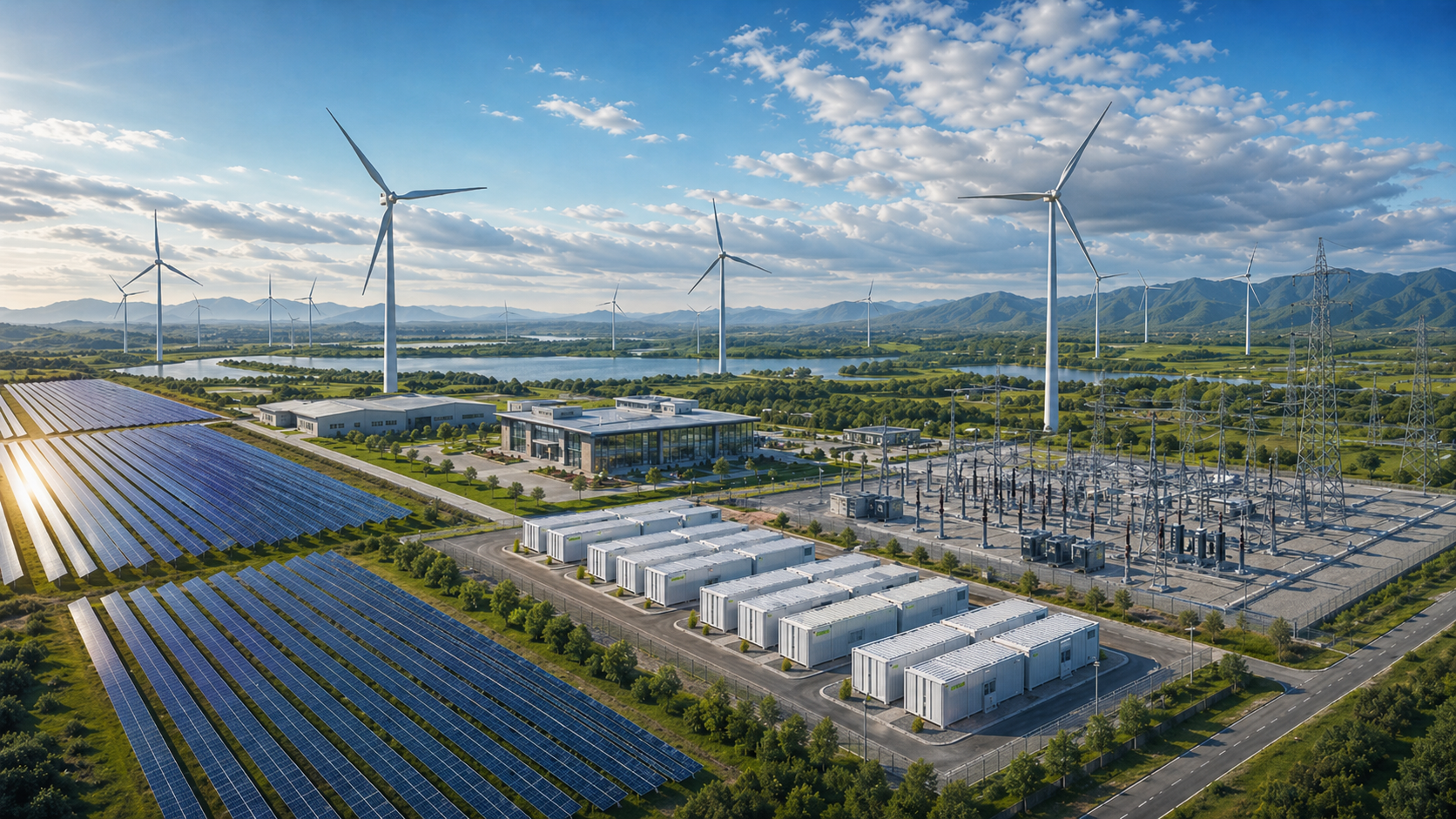
ROUND-THE-CLOCK BESS PLANT
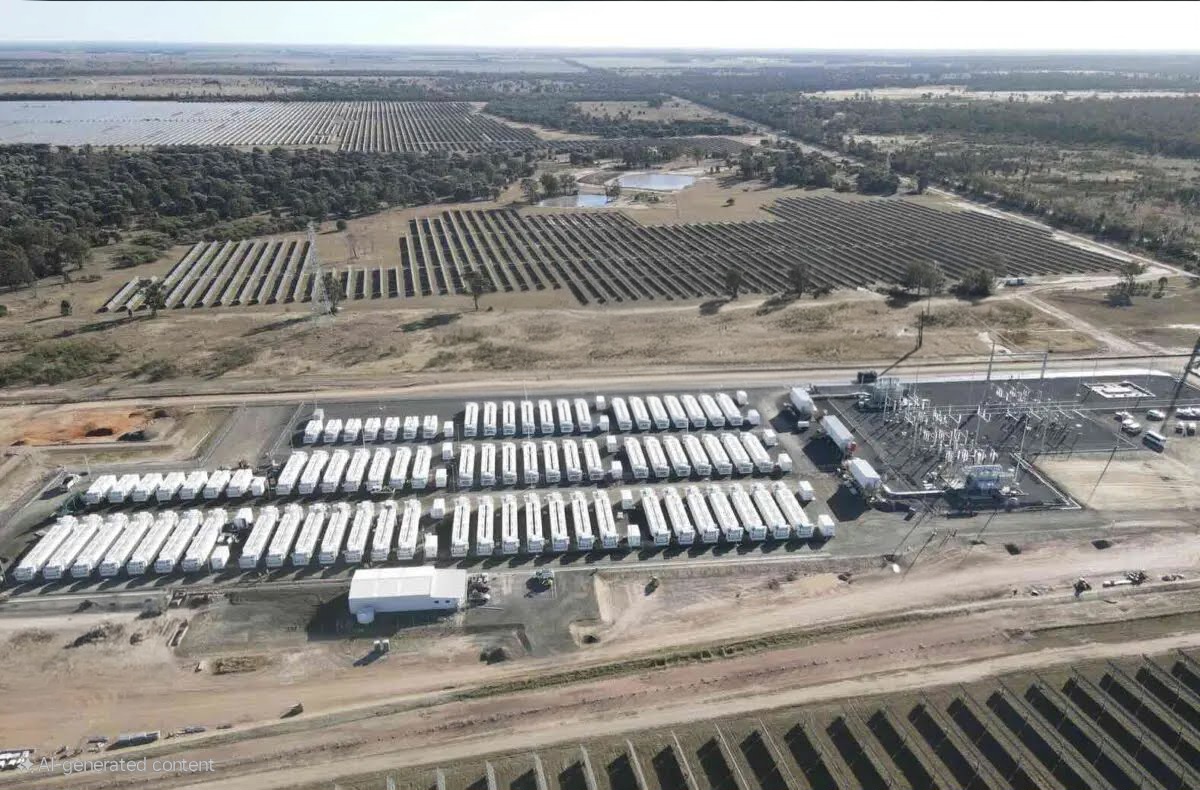
Round-the-Clock (RTC) / Firm Green Renewable Energy (RE) Hybrid Power Plants represent the next evolution in clean energy systems—designed not just to generate renewable power, but to deliver it reliably, continuously, and on demand. By integrating Solar Photovoltaic (PV), Wind Energy Generators (WEGs), Battery Energy Storage Systems (BESS), and optionally grid or other dispatchable renewable sources, these plants ensure a stable and firm power supply profile comparable to conventional baseload generation.
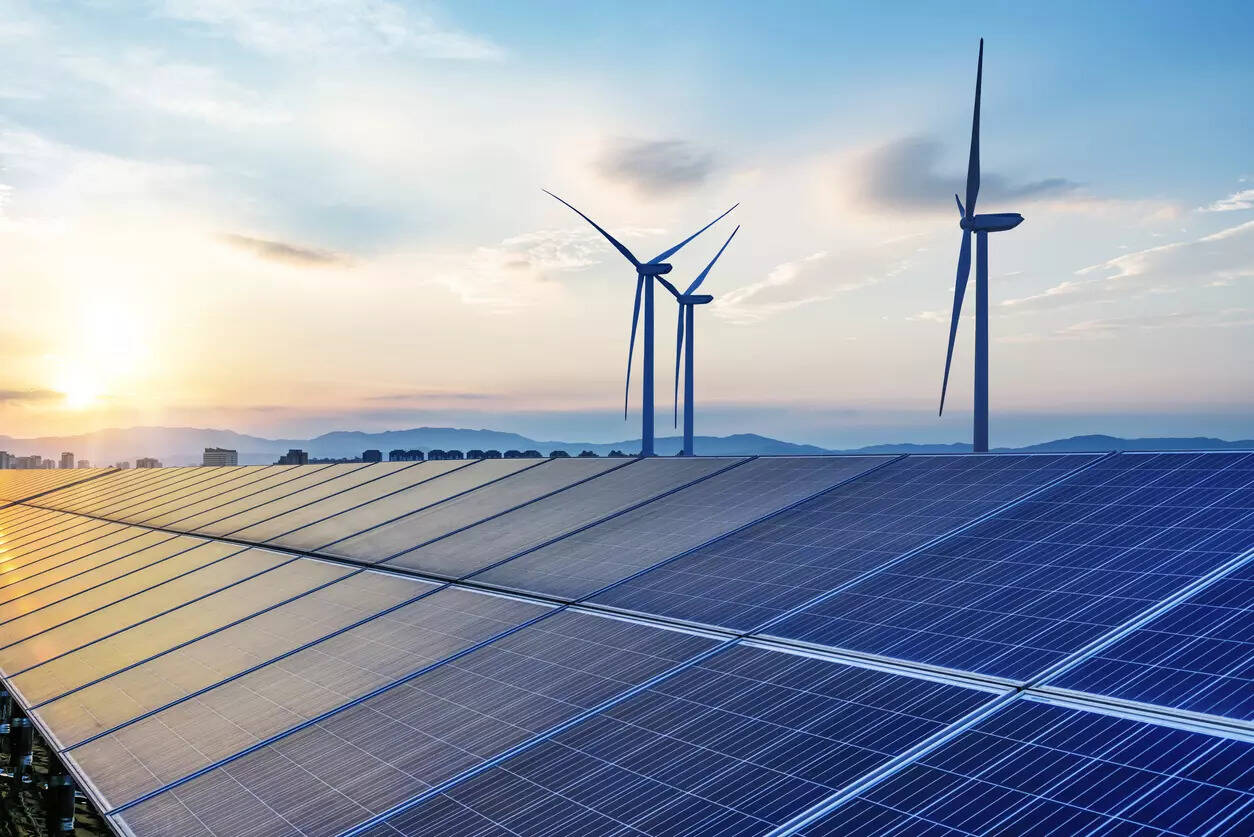
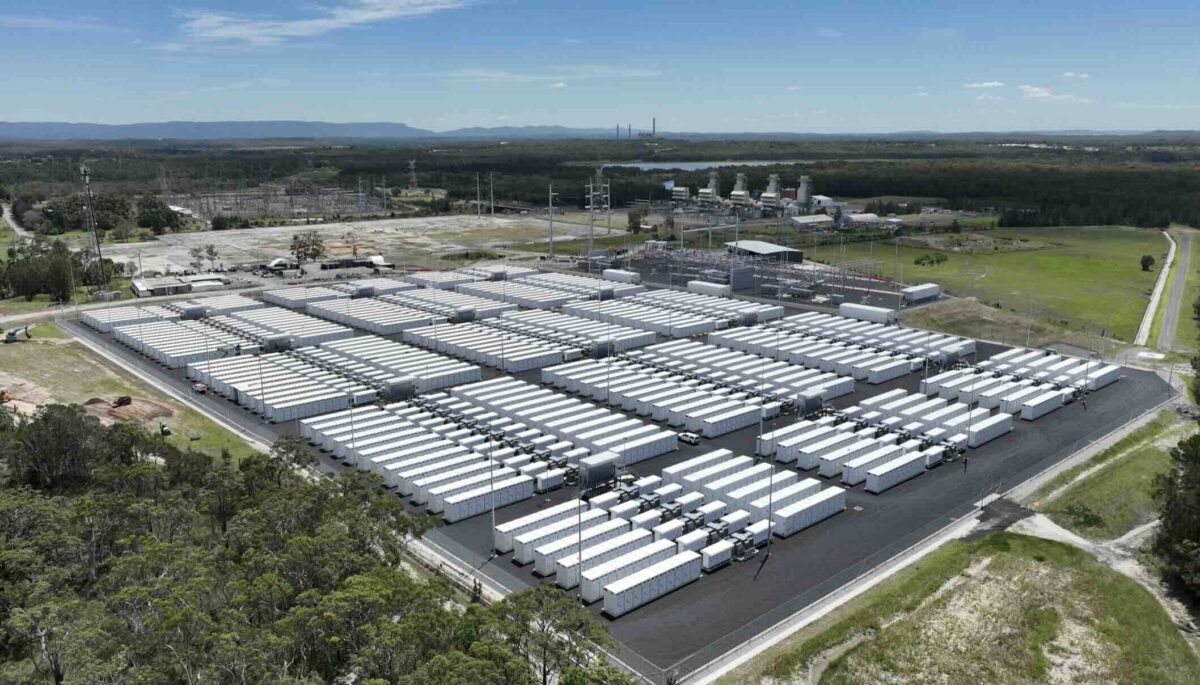
By combining complementary resources—solar for daytime and wind for evening/night—along with energy storage, RTC hybrids effectively overcome intermittency. BESS stores surplus energy and supplies it during peak demand or low-generation periods, ensuring uninterrupted and contract-compliant power delivery. RTC hybrid plants are widely adopted for utility-scale projects, industrial decarbonization, and reliable clean power supply under long-term PPAs.
Features of ROUND-THE-CLOCK BESS PLANT
✔ True 24x7 continuous reliable Firm & scheduled renewable power delivery.
✔ Provides peak shaving, load balancing, and improved grid resilience.
✔ Zero carbon footprint and supports decarbonization and sustainability goals.
✔ Increased Renewable Penetration and improved CUF & energy economics.
✔ Enables premium tariffs through firm power supply contracts for project viability.
✔ Reduces dependence on fossil fuels.
Solution Module Highlights
Performs detailed hourly Global Horizontal Irradiance (GHI) and Plane of Array (POA) Irrandiance calculation by evaluating actual factors like solar time, hour angle,
declination, Zenith Angle, Solar Azimuth and angle of Incidence using the inputs tilt angle, tracking, Direct Normal Irradiance (DNI) and
Direct Horizontal Irradiance (DHI). (DNI & DHI are obtained from site solar hourly data generated by module.)
Using this hourly GHI value & POA Irradiance, hourly PV electricity generation is worked-out.
Similarly, the hourly wind speed and air density data generated by module, along with wind turbine input data (Rated Power,
Rated Speed, Rotar Diameter, Hub Height, cut-in/cut-out speeds, OEM power curve), are used to calculate wind shear exponent,
wind speed at Hub Height, density correction, Coefficient of Performance (Cp) and hourly wind electricity generated.
Based on the wind shear exponent value, the site terrain is validated. Based on the wind speed at Hub, module establishes Site Wind
Classification and Turbulence Classification as per IEC 61400-1, which will help in selecting correct wind turbine generator for the project.
Solution module intelligently balances charging and discharging sequence based on power demand/delivery options namely Peak Shaving/Renewable Firming and accordingly establishes
annual charging cycles to evaluate the battery replacement life.
Key Inputs
✔ Establishes project identity, client details, and base currency.
✔ Defines project location, geographic coordinates, and reference year for solar and wind resource assessment.
✔ Specifies RTC / Firm RE Contract Power, Demand Fulfillment Ratio (DFR), Grid Import Capacity Limit & cap, renewable energy share/capacity and intended role of BESS.
✔ Utilizes PV module library data, gets OEM data including technology type, efficiency, power rating, temperature coefficients, NOCT, and physical dimensions.
✔ Captures key system design and operational parameters such as tilt, tracking, inverter efficiency, system losses, layout ratios, and replacement assumptions.
✔ Utilizes Wind Turbine library data, gets OEM data including wind turbine characteristics like model, rated power, rotor dia, hub height, rated speed, cut-in/cut-out speeds, wind energy generator cost, system losses and OEM power curve.
✔ Details BESS configuration, including storage capacity, depth of discharge, autonomy, round-trip efficiency, degradation, replacement strategy, and cost.
✔ Incorporates operating assumptions such as auxiliary consumption, O&M costs, working capital, and water usage.
✔ Defines CAPEX components for wind, BESS, land, and region-specific labor factors.
✔ Establishes financial structure including equity mix, interest rates, taxation, depreciation, and discount rate.
✔ Accounts for incentives, subsidies, revenue mechanisms, and target power sale price.
✔ Includes degradation, curtailment, transmission losses, and escalation factors (WPI, CPI, CAPEX, tariff).
✔ Sets the carbon accounting framework, including emission factors, lifecycle intensity, standards, and carbon credit pricing.
Key Results
✔ Highlights Site hourly ambient data and generation analytics results in readable tables and graphs.
✔ Summarises solar & wind power generation outputs, grid supply including gross and net renewable electricity delivered annually.
✔ Captures BESS behaviour such as charge/discharge cycles, usable energy, throughput and system losses.
✔ Quantifies total RTC/Firm contracted renewable power exported to grid and balance Merchant Power available for sale.
✔ Estaimates total land requirement for the project and cost of the land including breackdown.
✔ Consolidates investment outcomes including total CAPEX, borrowing levels, IDC and installed cost per kW.
✔ Presents carbon performance results including lifecycle CO₂ intensity, per-kg emission reductions and total annual savings.
✔ Displays additional revenue generated from carbon credits due to avoided emissions.
✔ Highlights project profitability across power export and carbon revenue streams.
✔ Provides key techno-economic indicators such as cost of generation, levelized costs and annual revenue potential.
✔ Offers a clear view of overall project efficiency, financial viability and environmental benefit.
✔ Generates a comprehensive PDF Report and excel documents for hourly ambient data, data analytics results and financial model.
Explore cGEM solution modules
Move between renewable energy (Solar/Wind/Hybrid), storage, hydrogen, and ammonia feasibility modules.
Evaluate the project economics inside cGEM
Use the cGEM platform to move from project inputs to engineering calculations, financial modeling, carbon footprint analysis and report outputs.